

Ask a Question About This Product
AC/DC Motor Generator Classroom Demonstration Model: Quick Answer
AC/DC Motor Generator Classroom Demonstration Model is a hands-on model for observing the relationship between electrical input, magnetic fields and rotary motion. It is best evaluated by matching the exact product version to the intended setup, then checking what is included, what must be supplied separately and how the mechanism will be operated.
Best fit: classroom demonstrators, adult learners and collectors who want a visible motor-or-generator principle model. It is not a substitute for a full-size machine, professional test instrument or safety-certified training system unless the current listing explicitly says so.
What does this model or kit help you do?
Electric motors convert electrical energy to mechanical rotation, while generators reverse the energy path by converting mechanical input to electrical output. The U.S. Department of Energy describes the rotor as the moving element and the stator as the stationary element. This product page should remain the source of truth for the supplied configuration, dimensions, materials and options.
For technical context, see the U.S. Department of Energy electrical science handbook. That reference explains the underlying engineering topic; it does not certify or endorse this EnginesDIY product.
Who should choose it?
- Choose it when the pictured structure and the published version match the mechanism you want to study, assemble or display.
- Choose it when you can provide the tools, power source, fuel, controller or compatible host engine identified by the listing.
- Compare another model when you need a different scale, operating method, assembly level or finished footprint.
What should you verify before ordering?
| Decision point | What to confirm on this page | Why it matters |
|---|---|---|
| Identity | Model name, revision and selected option | Similar-looking parts may use different interfaces. |
| Compatibility | AC/DC mode, input limits, output terminals, included meters or loads, base dimensions and the teacher or operator instructions | This prevents incomplete or mismatched setups. |
| Scope | Included-items list and gallery | Props in photos are not automatically included. |
| Build level | Kit, partially assembled or ready-to-run status | Tool, time and experience requirements differ. |
| Operating limits | Published electrical, fuel, speed, heat or load limits | Exceeding a limit can damage the model. |
Setup and first-use checklist
- Match the product name and selected option to your intended setup.
- Compare the package list with the gallery and note every item that must be supplied separately.
- Confirm the selected mode, check every terminal against the diagram, secure the base, begin with the lowest permitted input and observe rotation or output before changing the setup.
- Stop if a shaft, gear, linkage, connector or mount binds; correct alignment before applying power.
- Record the proven setup so later maintenance and troubleshooting begin from a known configuration.
Known facts, inferences and unknowns
Known from the page: the product identity, current option choices, published price, images and specifications shown here. Reasonable inference: the mechanism can support the learning or display use described above when the correct version is assembled and operated as directed. Unknown until confirmed: any unlisted tolerance, certification, lifetime, output, compatibility or included accessory. Contact EnginesDIY before ordering if an unknown item changes your purchase decision.
Care and safety
Use only the published electrical limits, keep conductors insulated, disconnect power before rewiring and supervise demonstrations. Recheck fasteners, connectors and moving clearances before each use. Store the model dry and clean, and use only lubricants, fuels, batteries or power supplies named in the product instructions.
Detailed kits can contain small parts. The U.S. Consumer Product Safety Commission small-parts guidance explains why loose components require careful age-appropriate handling and storage.
Buyer questions answered
Is every item shown in the photos included?
Use the written package list and selected option as the deciding evidence. A display engine, tool, controller, battery, fuel system or scenery item may illustrate use without being included.
Can I use it with a different engine, controller or power source?
Only when the model number, interface, electrical range and mounting details are confirmed. Visual similarity alone is not reliable compatibility evidence.
What if a required detail is not published?
Ask EnginesDIY with the exact product name and the model or component you plan to pair with it. Confirm the answer before ordering rather than modifying parts after delivery.
Continue comparing relevant models
Browse the related EnginesDIY category to compare mechanism type, assembly level, operating method and finished size before choosing.
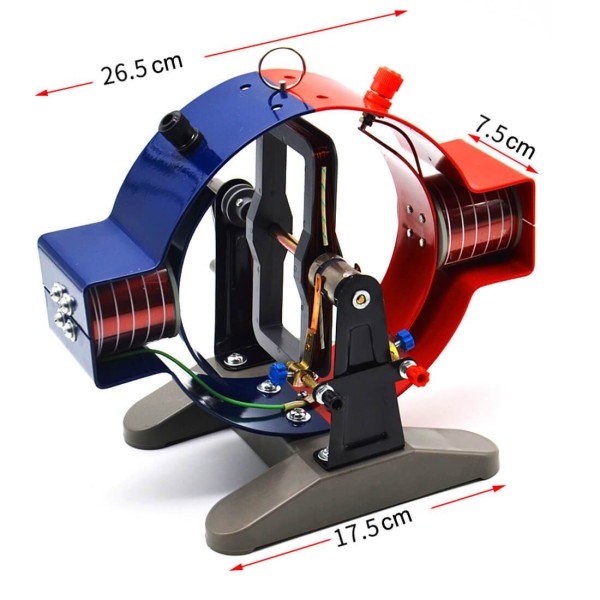
AC/DC Motor Generator Classroom Demonstration Model is a large tabletop apparatus designed to compare the visible construction and output paths of AC and DC generator arrangements. This page is written for buyers comparing AC DC generator demonstration model, classroom motor generator activity kit, electromagnetic induction demonstration, student AC versus DC generator model and related working mechanical models.
AC/DC Motor Generator Classroom Demonstration Model: Quick Answer
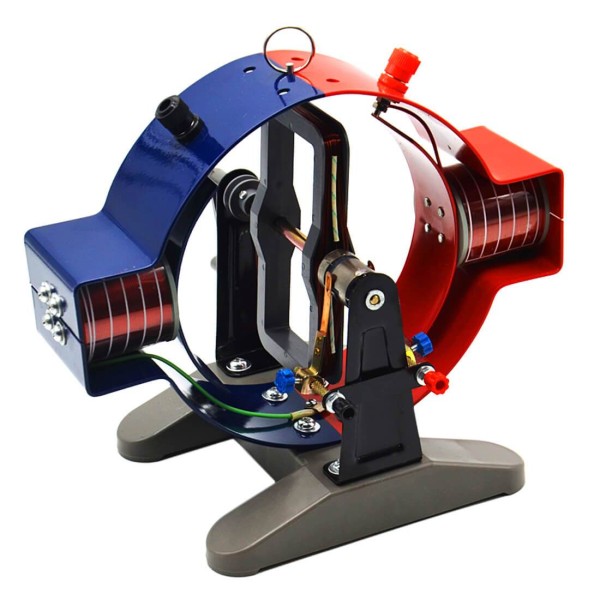
Choose this model when you want to study or operate mechanical rotation changes magnetic flux through coils, producing induced voltage that can be routed through AC or commutated DC connections. It is best suited to physics classrooms, engineering instructors and learners studying electromagnetic induction. The original white-background main image identifies the exact product architecture; the gallery shows additional angles, components and available configurations.
Verified Product Specifications
| Purpose | AC and DC generator comparison |
|---|---|
| Construction | Metal and plastic demonstration apparatus |
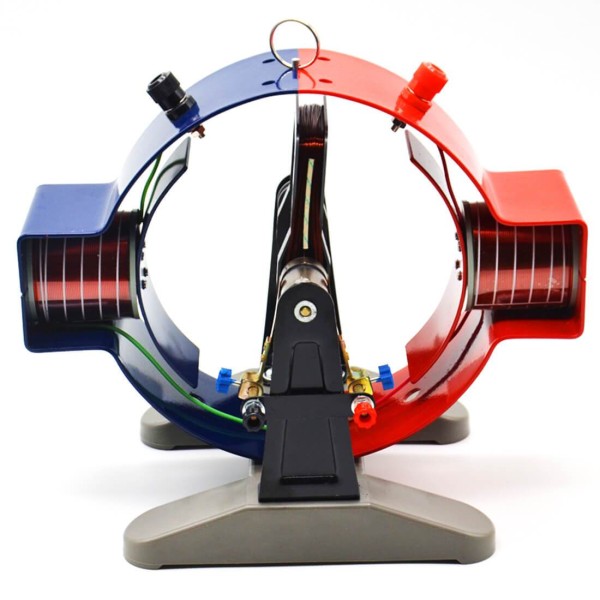
| Visible elements | Iron ring, paired electromagnets, coils and terminals |
| Published dimensions | 26.5 x 17.5 x 7.5cm |
| Product weight | 2811g |
| Package size | 30 x 30 x 15cm |
| Package weight | 2900g |
| Included | One motor-generator demonstration model |
| Use | Supervised classroom or laboratory demonstration |
Why This Model Is Different
- Clear engineering focus: the layout makes mechanical rotation changes magnetic flux through coils, producing induced voltage that can be routed through AC or commutated DC connections easier to observe than a generic closed display model.
- Configuration transparency: selectable versions are named explicitly and their price changes appear beside the option before checkout.
- Visual buying evidence: multiple gallery views help verify exterior finish, major components and supplied assembly state.
- Specialist fit: the product expands the collection into a distinct engine architecture rather than duplicating an existing listing.
How to Choose the Correct Version
- Confirm the selected option, assembly state, color or bundle before adding the item to the cart.
- Use the specification table and gallery to verify the power source, cooling method and visible accessories.
- For fuel, heat or live-steam products, confirm that you have the required operating experience, ventilation and safety equipment.
- For RC installation, measure the available envelope and verify the drivetrain, mounting, cooling and starting-system requirements.
Safety and Operating Guidance
This is specialist model equipment, not an unsupervised children's toy. Keep moving parts guarded from loose clothing and hair. Operate fuel or steam models only in a ventilated area on a stable, heat-resistant surface. Use eye protection, follow the supplied manual and never exceed the specified fuel, electrical or pressure requirements.
Frequently Asked Questions
Is this a real working engine?
The specification table states whether the item is a fuel engine, live-steam mechanism or powered mechanical simulation. A moving educational model should not be interpreted as a full-size propulsion engine.
Does the selected version change the price?
Where options are present, each value uses the corresponding product configuration price. Review the updated price and option label before checkout.
Are the exact accessories shown included?
Only the components described by the selected configuration are included. Lifestyle scenes and engineering diagrams explain use or structure and should not be treated as a packing list.
Who should buy this model?
It is intended for physics classrooms, engineering instructors and learners studying electromagnetic induction. Beginners should start with an electric simulation; fuel and live-steam products require experienced adult operation.
Engineering Reference and Related Models
For independent background on the operating principle, see U.S. Department of Energy: How Generators Convert Motion to Electricity. This reference explains general engineering principles and does not endorse or certify this product.
Continue comparing products in the related EnginesDIY collection:
AC/DC Motor Generator Classroom Demonstration Model is a large tabletop apparatus designed to compare the visible construction and output paths of AC and DC generator arrangements. This page is written for buyers comparing AC DC generator demonstration model, classroom motor generator activity kit, electromagnetic induction demonstration, student AC versus DC generator model and related working mechanical models.
AC/DC Motor Generator Classroom Demonstration Model: Quick Answer
Choose this model when you want to study or operate mechanical rotation changes magnetic flux through coils, producing induced voltage that can be routed through AC or commutated DC connections. It is best suited to physics classrooms, engineering instructors and learners studying electromagnetic induction. The original white-background main image identifies the exact product architecture; the gallery shows additional angles, components and available configurations.
Verified Product Specifications
| Purpose | AC and DC generator comparison |
|---|---|
| Construction | Metal and plastic demonstration apparatus |
| Visible elements | Iron ring, paired electromagnets, coils and terminals |
| Published dimensions | 26.5 x 17.5 x 7.5cm |
| Product weight | 2811g |
| Package size | 30 x 30 x 15cm |
| Package weight | 2900g |
| Included | One motor-generator demonstration model |
| Use | Supervised classroom or laboratory demonstration |
Why This Model Is Different
- Clear engineering focus: the layout makes mechanical rotation changes magnetic flux through coils, producing induced voltage that can be routed through AC or commutated DC connections easier to observe than a generic closed display model.
- Configuration transparency: selectable versions are named explicitly and their price changes appear beside the option before checkout.
- Visual buying evidence: multiple gallery views help verify exterior finish, major components and supplied assembly state.
- Specialist fit: the product expands the collection into a distinct engine architecture rather than duplicating an existing listing.
How to Choose the Correct Version
- Confirm the selected option, assembly state, color or bundle before adding the item to the cart.
- Use the specification table and gallery to verify the power source, cooling method and visible accessories.
- For fuel, heat or live-steam products, confirm that you have the required operating experience, ventilation and safety equipment.
- For RC installation, measure the available envelope and verify the drivetrain, mounting, cooling and starting-system requirements.
Safety and Operating Guidance
This is specialist model equipment, not an unsupervised children's toy. Keep moving parts guarded from loose clothing and hair. Operate fuel or steam models only in a ventilated area on a stable, heat-resistant surface. Use eye protection, follow the supplied manual and never exceed the specified fuel, electrical or pressure requirements.
Frequently Asked Questions
Is this a real working engine?
The specification table states whether the item is a fuel engine, live-steam mechanism or powered mechanical simulation. A moving educational model should not be interpreted as a full-size propulsion engine.
Does the selected version change the price?
Where options are present, each value uses the corresponding product configuration price. Review the updated price and option label before checkout.
Are the exact accessories shown included?
Only the components described by the selected configuration are included. Lifestyle scenes and engineering diagrams explain use or structure and should not be treated as a packing list.
Who should buy this model?
It is intended for physics classrooms, engineering instructors and learners studying electromagnetic induction. Beginners should start with an electric simulation; fuel and live-steam products require experienced adult operation.
Engineering Reference and Related Models
For independent background on the operating principle, see U.S. Department of Energy: How Generators Convert Motion to Electricity. This reference explains general engineering principles and does not endorse or certify this product.
Continue comparing products in the related EnginesDIY collection:
AC/DC Motor Generator Classroom Demonstration Model is a large tabletop apparatus designed to compare the visible construction and output paths of AC and DC generator arrangements. This page is written for buyers comparing AC DC generator demonstration model, classroom motor generator activity kit, electromagnetic induction demonstration, student AC versus DC generator model and related working mechanical models.
AC/DC Motor Generator Classroom Demonstration Model: Quick Answer
Choose this model when you want to study or operate mechanical rotation changes magnetic flux through coils, producing induced voltage that can be routed through AC or commutated DC connections. It is best suited to physics classrooms, engineering instructors and learners studying electromagnetic induction. The original white-background main image identifies the exact product architecture; the gallery shows additional angles, components and available configurations.
Verified Product Specifications
| Purpose | AC and DC generator comparison |
|---|---|
| Construction | Metal and plastic demonstration apparatus |
| Visible elements | Iron ring, paired electromagnets, coils and terminals |
| Published dimensions | 26.5 x 17.5 x 7.5cm |
| Product weight | 2811g |
| Package size | 30 x 30 x 15cm |
| Package weight | 2900g |
| Included | One motor-generator demonstration model |
| Use | Supervised classroom or laboratory demonstration |
Why This Model Is Different
- Clear engineering focus: the layout makes mechanical rotation changes magnetic flux through coils, producing induced voltage that can be routed through AC or commutated DC connections easier to observe than a generic closed display model.
- Configuration transparency: selectable versions are named explicitly and their price changes appear beside the option before checkout.
- Visual buying evidence: multiple gallery views help verify exterior finish, major components and supplied assembly state.
- Specialist fit: the product expands the collection into a distinct engine architecture rather than duplicating an existing listing.
How to Choose the Correct Version
- Confirm the selected option, assembly state, color or bundle before adding the item to the cart.
- Use the specification table and gallery to verify the power source, cooling method and visible accessories.
- For fuel, heat or live-steam products, confirm that you have the required operating experience, ventilation and safety equipment.
- For RC installation, measure the available envelope and verify the drivetrain, mounting, cooling and starting-system requirements.
Safety and Operating Guidance
This is specialist model equipment, not an unsupervised children's toy. Keep moving parts guarded from loose clothing and hair. Operate fuel or steam models only in a ventilated area on a stable, heat-resistant surface. Use eye protection, follow the supplied manual and never exceed the specified fuel, electrical or pressure requirements.
Frequently Asked Questions
Is this a real working engine?
The specification table states whether the item is a fuel engine, live-steam mechanism or powered mechanical simulation. A moving educational model should not be interpreted as a full-size propulsion engine.
Does the selected version change the price?
Where options are present, each value uses the corresponding product configuration price. Review the updated price and option label before checkout.
Are the exact accessories shown included?
Only the components described by the selected configuration are included. Lifestyle scenes and engineering diagrams explain use or structure and should not be treated as a packing list.
Who should buy this model?
It is intended for physics classrooms, engineering instructors and learners studying electromagnetic induction. Beginners should start with an electric simulation; fuel and live-steam products require experienced adult operation.
Engineering Reference and Related Models
For independent background on the operating principle, see U.S. Department of Energy: How Generators Convert Motion to Electricity. This reference explains general engineering principles and does not endorse or certify this product.
Continue comparing products in the related EnginesDIY collection:
AC/DC Motor Generator Classroom Demonstration Model is a large tabletop apparatus designed to compare the visible construction and output paths of AC and DC generator arrangements. This page is written for buyers comparing AC DC generator demonstration model, classroom motor generator activity kit, electromagnetic induction demonstration, student AC versus DC generator model and related working mechanical models.
AC/DC Motor Generator Classroom Demonstration Model: Quick Answer
Choose this model when you want to study or operate mechanical rotation changes magnetic flux through coils, producing induced voltage that can be routed through AC or commutated DC connections. It is best suited to physics classrooms, engineering instructors and learners studying electromagnetic induction. The original white-background main image identifies the exact product architecture; the gallery shows additional angles, components and available configurations.
Verified Product Specifications
| Purpose | AC and DC generator comparison |
|---|---|
| Construction | Metal and plastic demonstration apparatus |
| Visible elements | Iron ring, paired electromagnets, coils and terminals |
| Published dimensions | 26.5 x 17.5 x 7.5cm |
| Product weight | 2811g |
| Package size | 30 x 30 x 15cm |
| Package weight | 2900g |
| Included | One motor-generator demonstration model |
| Use | Supervised classroom or laboratory demonstration |
Why This Model Is Different
- Clear engineering focus: the layout makes mechanical rotation changes magnetic flux through coils, producing induced voltage that can be routed through AC or commutated DC connections easier to observe than a generic closed display model.
- Configuration transparency: selectable versions are named explicitly and their price changes appear beside the option before checkout.
- Visual buying evidence: multiple gallery views help verify exterior finish, major components and supplied assembly state.
- Specialist fit: the product expands the collection into a distinct engine architecture rather than duplicating an existing listing.
How to Choose the Correct Version
- Confirm the selected option, assembly state, color or bundle before adding the item to the cart.
- Use the specification table and gallery to verify the power source, cooling method and visible accessories.
- For fuel, heat or live-steam products, confirm that you have the required operating experience, ventilation and safety equipment.
- For RC installation, measure the available envelope and verify the drivetrain, mounting, cooling and starting-system requirements.
Safety and Operating Guidance
This is specialist model equipment, not an unsupervised children's toy. Keep moving parts guarded from loose clothing and hair. Operate fuel or steam models only in a ventilated area on a stable, heat-resistant surface. Use eye protection, follow the supplied manual and never exceed the specified fuel, electrical or pressure requirements.
Frequently Asked Questions
Is this a real working engine?
The specification table states whether the item is a fuel engine, live-steam mechanism or powered mechanical simulation. A moving educational model should not be interpreted as a full-size propulsion engine.
Does the selected version change the price?
Where options are present, each value uses the corresponding product configuration price. Review the updated price and option label before checkout.
Are the exact accessories shown included?
Only the components described by the selected configuration are included. Lifestyle scenes and engineering diagrams explain use or structure and should not be treated as a packing list.
Who should buy this model?
It is intended for physics classrooms, engineering instructors and learners studying electromagnetic induction. Beginners should start with an electric simulation; fuel and live-steam products require experienced adult operation.
Engineering Reference and Related Models
For independent background on the operating principle, see U.S. Department of Energy: How Generators Convert Motion to Electricity. This reference explains general engineering principles and does not endorse or certify this product.
Continue comparing products in the related EnginesDIY collection: