


Ask a Question About This Product
Full-Metal Hit & Miss Internal Combustion Engine Model
A governor-controlled four-stroke model that demonstrates the characteristic hit-and-miss operating cycle.
Confirmed features and operation
- Disassemblable full-metal construction with rust-resistant surface treatment
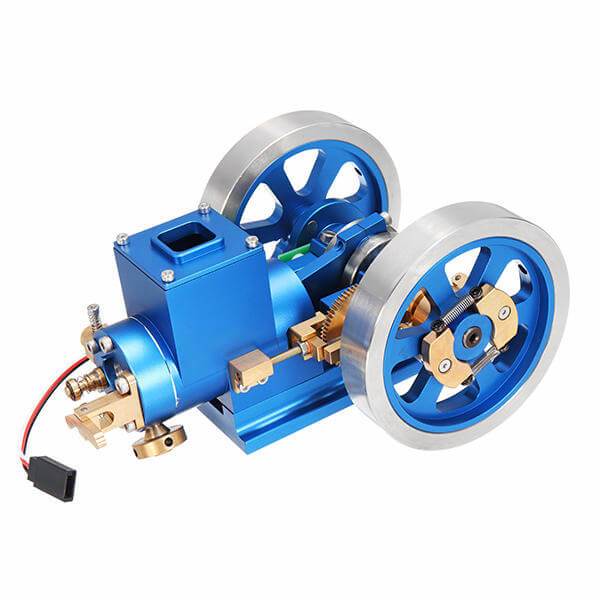
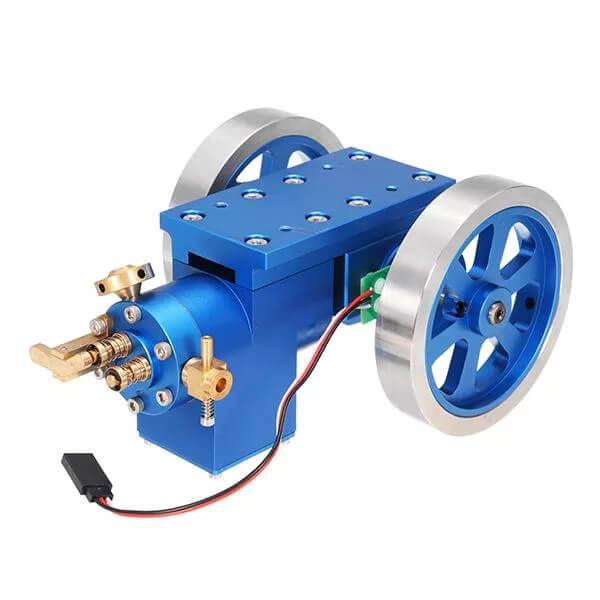
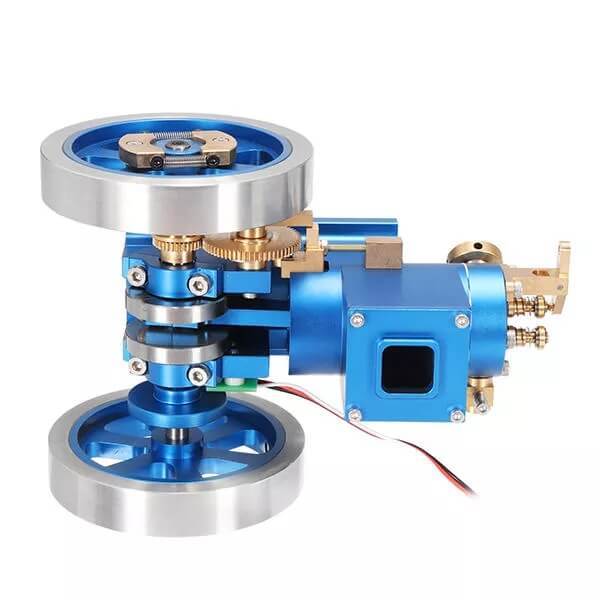
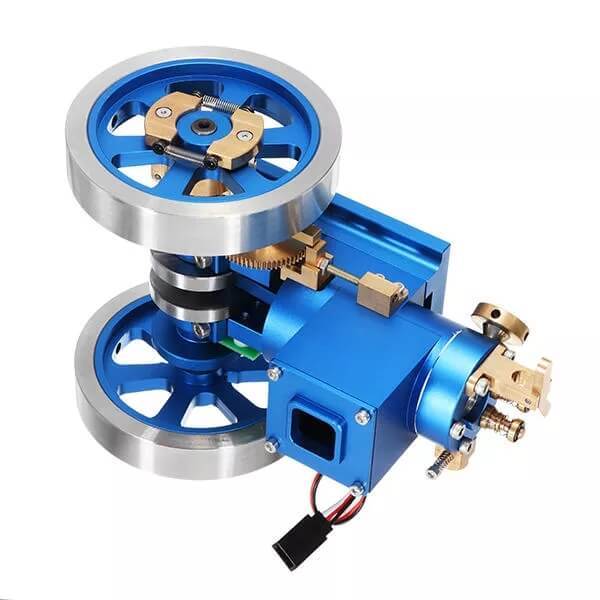
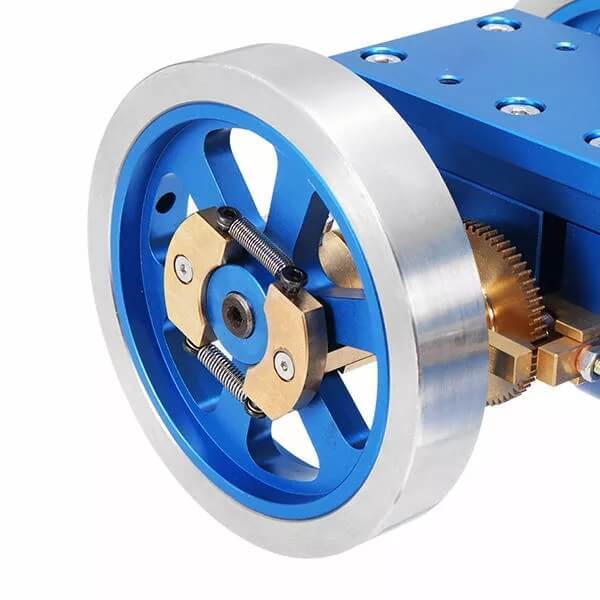
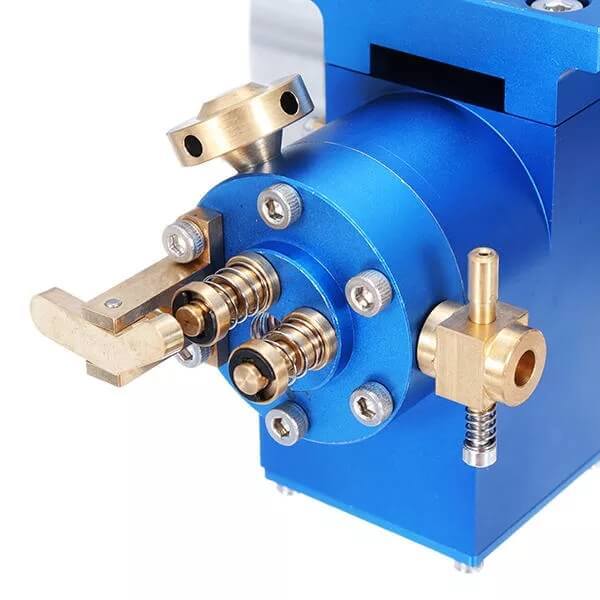
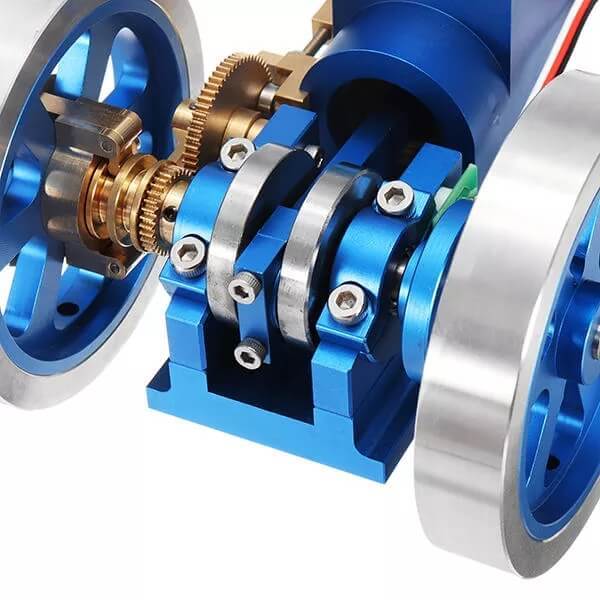
- Twin flywheel layout with visible governor and timing mechanisms
- Manufacturer states gasoline, diesel or kerosene operation
- Manual flywheel starting may require several attempts
Safety: Fuel operation produces heat, fumes and moving parts. Use only outdoors or in a properly ventilated test area under experienced adult supervision.
Full Metal Hit And Miss Engine Model: Quick Answer
Full-Metal Hit & Miss Internal Combustion Engine Model is positioned for shoppers searching for a full metal hit and miss engine model. A miniature internal-combustion engine product for experienced builders comparing real engine architecture, fuel system requirements and RC compatibility. Confirm the exact fuel, starter, ignition, cooling and break-in requirements shown for this model. Model: HM-BLUE-01.
Why Choose This Model?
- The exact model number is the safest way to match engines, starters and replacement parts.
- Product images and options should be checked for kit, assembled or accessory differences.
- Fuel-powered engines require ventilation, fire-safe handling and the manufacturer instructions; they are not children’s toys.
Who Is It For?
This product is a practical match for experienced model-engine users, RC builders, mechanical collectors and technical educators familiar with fuel-powered equipment. Compare the specifications and gallery with other models in the same engine family before deciding.
What Should You Check Before Ordering?
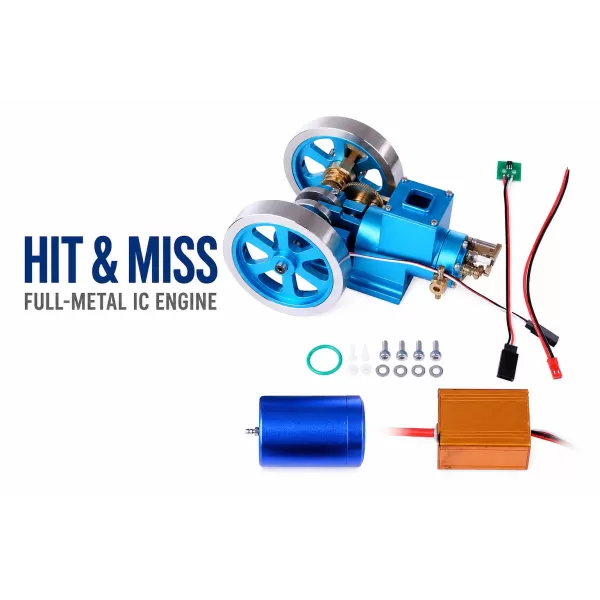
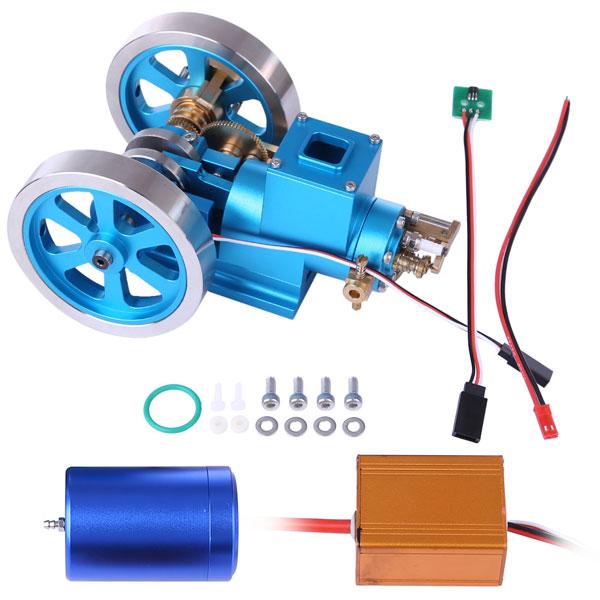
Confirm the model number, dimensions, material, package contents, assembly level and power or fuel requirements in this listing. If options are available, select the required version before adding the item to your cart. Product photos show the configuration more reliably than generic category images.
Frequently Asked Questions
Is this a kit, a finished model or a working engine?
The exact configuration is stated in the product title, specifications and option selector. Review all three because some engine families are sold in more than one build or power version.
What is the best way to compare this product?
Use the model number first, then compare scale, piece count, material, drive method, included accessories and intended use. This avoids choosing a visually similar model with different requirements.
Compare Related Engine Models
Continue exploring our Hit & Miss Engine Models collection, or compare these closely related models before choosing the best build for your experience level and display goals.
Engineering Reference, Verification & Learning Path
What this model helps you examine
Full-Metal Hit & Miss Internal Combustion Engine Model is most useful for examining the intake, compression, power and exhaust sequence together with piston-to-crankshaft motion. This is a scale educational model, so its value lies in making component relationships visible; it should not be interpreted as a performance replica of a full-size engine.
How to verify the configuration before ordering
- Match the gallery images to the listed version, finish and assembly state.
- Review the specifications and selectable options on this page before checkout.
- Check the included-parts information and recommended tools; contact us when a detail is not explicitly shown.
Engineering safety note
Running combustion models require ventilation, eye protection and strict adherence to the supplied fuel and starting instructions. Keep fuel away from ignition sources when the model is not being operated.
Primary technical reference
For general engineering context, consult U.S. Department of Energy: Internal Combustion Engine Basics. This independent source explains the underlying engineering principle; it does not review or endorse this EnginesDIY product.
Continue exploring this engine family
Start with the Internal Combustion Engine Models collection, then compare these closely related models:
- TOYAN FS-L400BGC 14CC Inline Four-Cylinder Gasoline Engine — compare architecture, build format and display value.
- SEMTO ST-NF2 7cc Inline Twin-Cylinder Nitro Engine Model Kit — compare architecture, build format and display value.
- RETROL HM-01 7cc Antique Hit and Miss Engine Model — compare architecture, build format and display value.
Content review: July 2026. Verification basis: the product title, published specifications, options and gallery on this page, cross-checked against the primary engineering reference above. Product-specific performance claims are intentionally excluded unless documented by the supplier.
Quick Answer: Who is the Full-Metal Hit & Miss Internal Combustion Engine Model for?
Short answer: The full metal hit and miss engine model is best suited to experienced model-engine users comparing governor-controlled firing, flywheel motion and support equipment. It is not intended for indoor operation, unsupervised use or buyers lacking the required fuel, ignition, cooling, exhaust and mounting equipment. Make the final decision from the selected option, specifications and gallery rather than the product name alone.
Decision summary
| Decision factor | Why it matters | Verify on this page |
|---|---|---|
| Architecture | Similar products can differ in mechanism, scale and visible components. | Title, specifications and gallery |
| Assembly and support | The pictured product may require tools, heat, fuel, power or fittings that are separate. | Options and included-parts information |
| Operating scope | A display model, powered demonstration and working engine have different requirements. | Published operating method and safety notes |
Before you order
- Confirm the exact fuel, ignition or glow system, starter and break-in requirements.
- Verify cooling, exhaust, lubrication, mounting footprint and all included accessories.
- Compare the selected version and gallery before ordering; similar-looking engines can require different support equipment.
Known facts, reasonable inferences and unknowns
The product identity and configuration above are based on the published title, specifications, selectable options and gallery. The mechanism category helps explain what the model is designed to demonstrate, but it does not prove product-specific output. Performance, runtime, efficiency, fuel consumption, durability and compatibility remain unknown unless explicitly stated on this page.
Compare the product family and check the engineering context
Use the relevant EnginesDIY collection to compare architecture, assembly format and current availability. For independent background, consult U.S. Department of Energy’s internal-combustion-engine basics. The reference explains the intake, compression, combustion/power and exhaust processes of full-size engines; it does not establish this model’s output, runtime or durability.
Safety and scope
This is a scale hobby or educational product, not full-size propulsion, industrial power equipment or certified laboratory apparatus. Follow the supplied operating method, use adult supervision and keep loose clothing, hands and combustible materials away from hot, fueled and moving components.
Content reviewed: 28 July 2026. Undocumented product claims were intentionally excluded.