

Ask a Question About This Product
12V Mini High-Magnetic DC Generator Model: Quick Answer
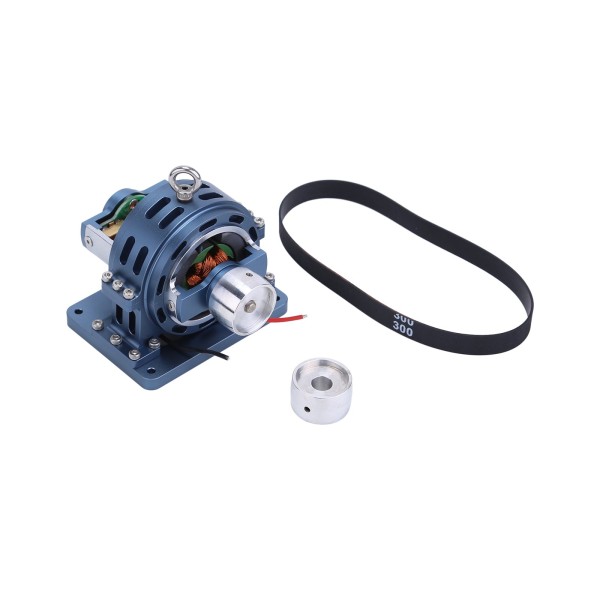
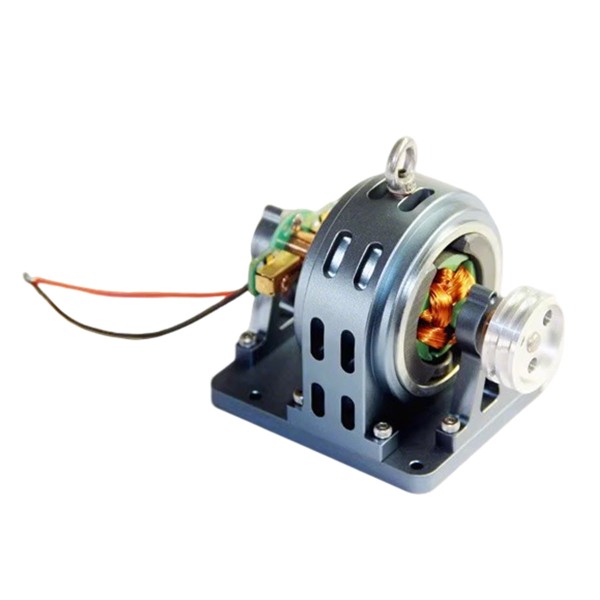
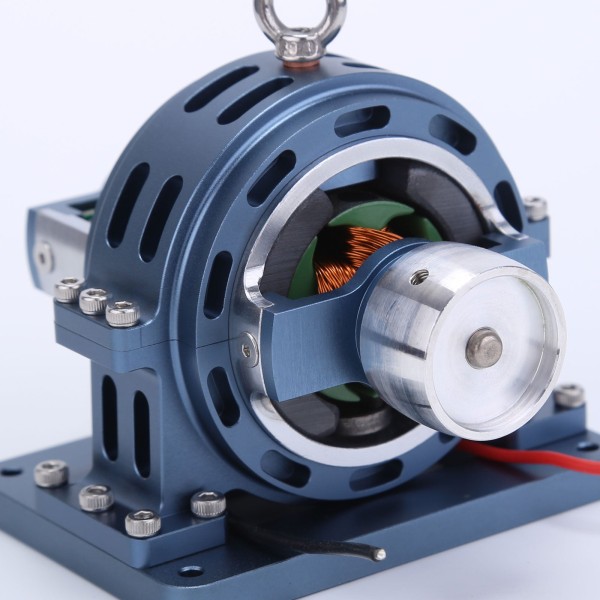
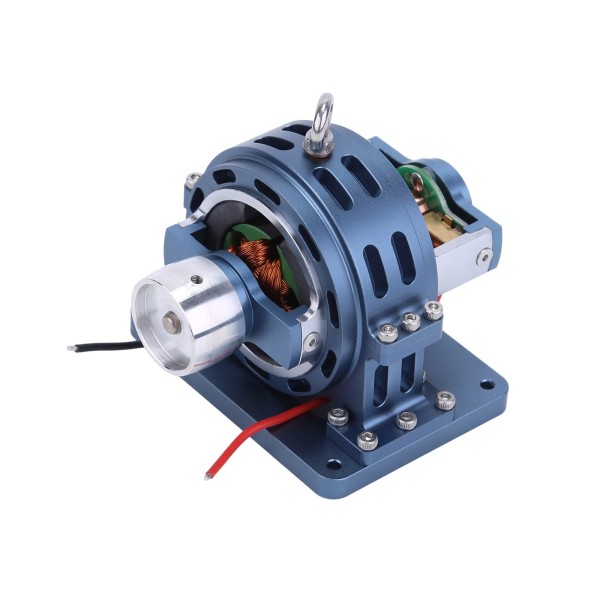
12V Mini High-Magnetic DC Generator Model is a compact DC generator demonstration component for converting shaft rotation into electrical output. The correct buying decision starts with the exact host engine or intended demonstration, not visual similarity. Confirm the current option, package list and technical table before ordering.
What job does this component perform?
The rotor is driven mechanically while the magnetic field and conductors produce electrical output. Actual voltage and usable load depend on rotational speed, wiring and the published operating range.
For independent engineering context, see the U.S. Department of Energy Electrical Science handbook. This source explains the underlying principle or hazard; it does not test, certify or endorse this EnginesDIY product.
Compatibility gate: verify these details first
| Check | Evidence required | Decision rule |
|---|---|---|
| Product identity | Exact model name, engine family and revision | Do not assume nearby model numbers share interfaces. |
| Mechanical fit | shaft interface, drive speed, output terminals, rated voltage, mounting pattern and whether rectification or regulation is included | Every critical interface must be confirmed. |
| Package scope | Written included-items list and selected option | Photographed engines, tools or display props are not automatically included. |
| Operating limits | Published voltage, fuel, speed, temperature or load range | Use only values stated for this product. |
| Support items | Battery, wiring, fuel system, controller, tools and fasteners | Identify all separately required items before purchase. |
Who is this a good fit for?
- Owners or buyers of the exact compatible engine family who need the function described above.
- Adult model-engine builders comfortable checking interfaces and following a technical installation sequence.
- Collectors building a coordinated working display rather than purchasing a standalone decorative object.
Choose another product when the engine revision, shaft, mount, connector, voltage, fuel system or intended load cannot be confirmed.
Installation and first-test sequence
- Photograph or record the host engine model and selected product option.
- Inventory the package and identify every separately required item.
- secure the generator, confirm polarity and wiring, rotate it without load, measure output, and only then connect a permitted load.
- Check fasteners, clearances, wiring and fluid connections again before applying full operating conditions.
- Document the successful configuration so future maintenance starts from a known setup.
Known facts versus unknown claims
Known from this page: the product identity, current option choices, images, published specifications and price. Reasonable engineering inference: the component can perform its described role when installed on the verified host system. Unknown unless explicitly published: unlisted tolerances, lifetime, certification, output under a particular load or compatibility with another model number. Ask EnginesDIY before ordering if an unknown affects fit or safe operation.
Safety and maintenance
Use insulated leads, avoid short circuits and keep fingers and loose material away from rotating shafts. Reinspect fasteners, connectors, lubrication points and clearances before each operating session. Store the assembly clean and dry, and use only the fuel, lubricant, coolant, battery or power supply specified by the applicable instructions.
These products may contain small components. Review the U.S. Consumer Product Safety Commission small-parts guidance and keep loose hardware away from young children.
Buyer questions answered
Does visual similarity prove compatibility?
No. Confirm the model code, revision and every critical mechanical and electrical interface.
Is the pictured engine included?
Only if the written package list and selected option say it is included. Use written scope as the deciding evidence.
What should I do when a dimension or connector is not listed?
Contact EnginesDIY with both exact model numbers and request confirmation before ordering or modifying a part.
Compare related engine systems
Continue through the related EnginesDIY category to compare compatible engines, starter systems, bases, transmissions and display hardware.
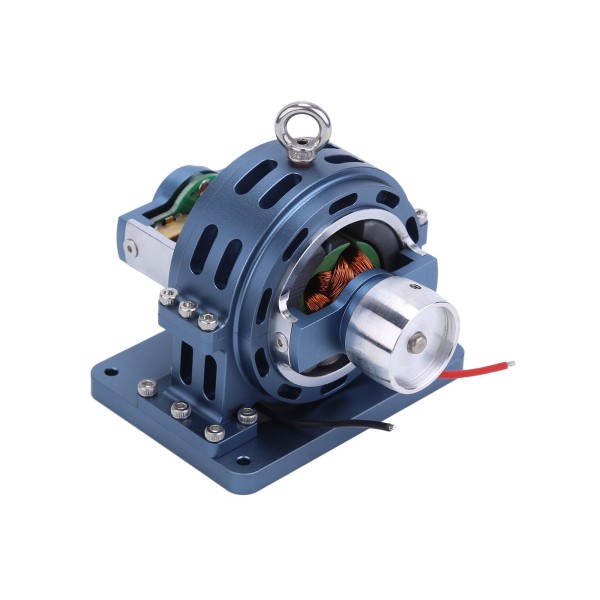
12V Mini High-Magnetic DC Generator Model is a compact belt-coupled alloy generator model for compatible internal-combustion and steam-engine demonstration systems. This page is written for buyers comparing 12V mini DC generator model, belt driven miniature engine generator, 5-12V model engine power generator, HOWIN ENJOMOR RETROL generator accessory and related working mechanical models.
12V Mini High-Magnetic DC Generator Model: Quick Answer
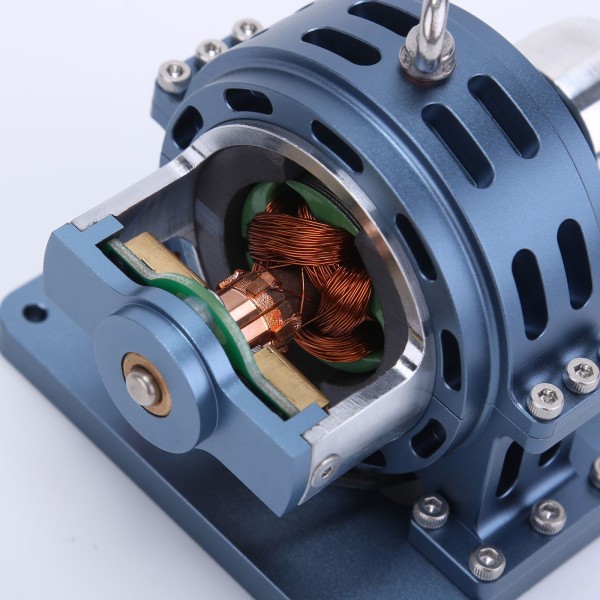
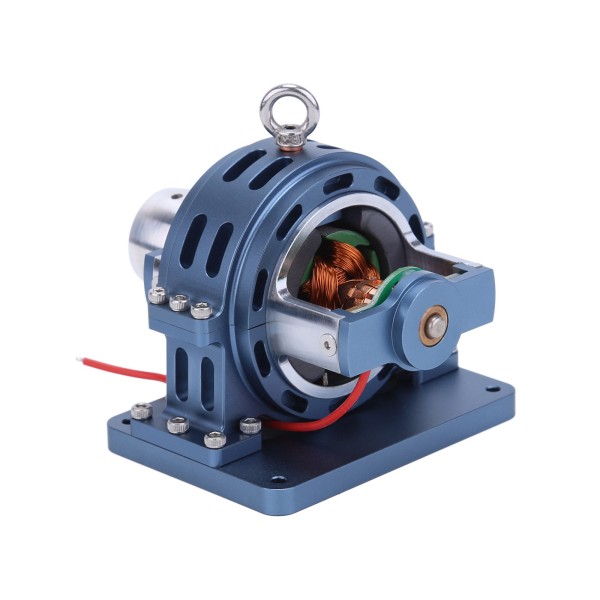
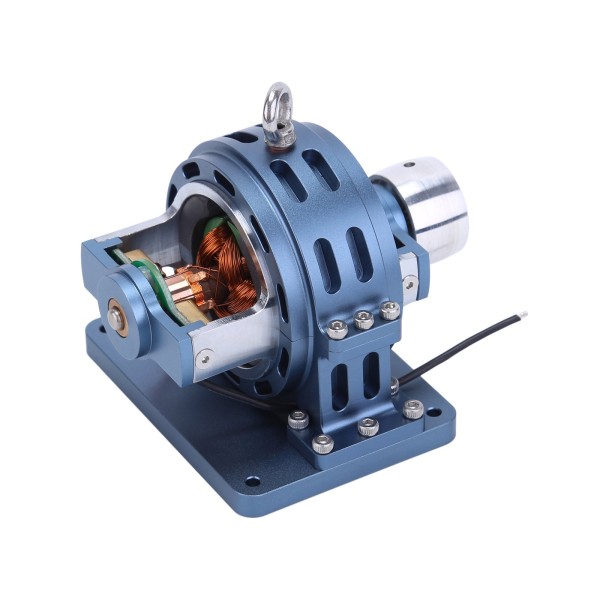
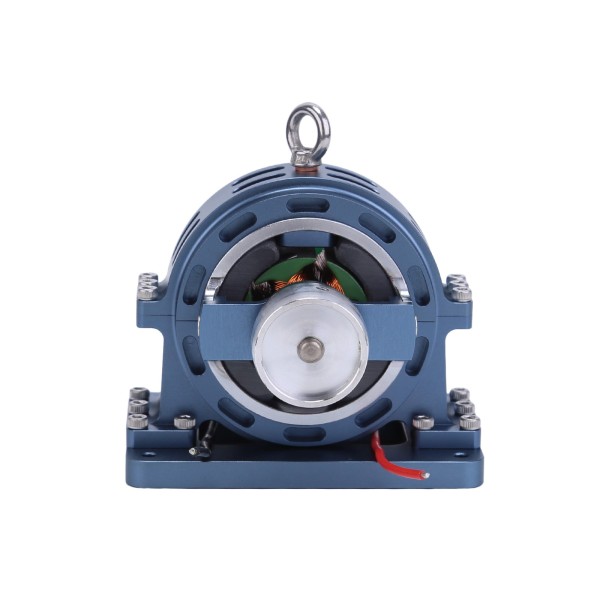
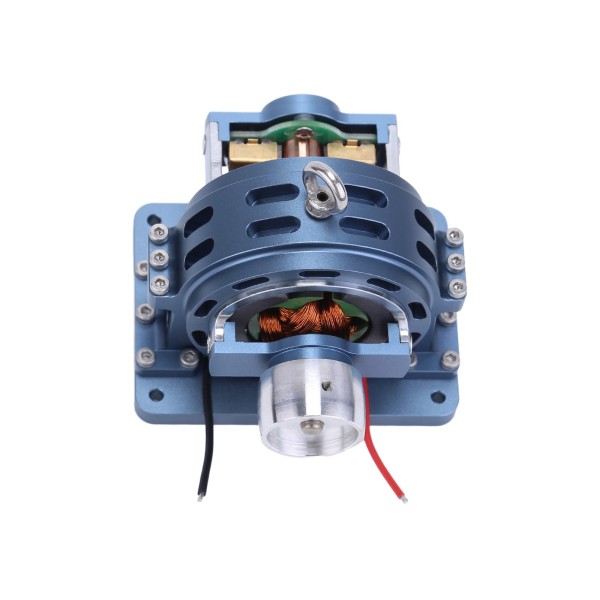
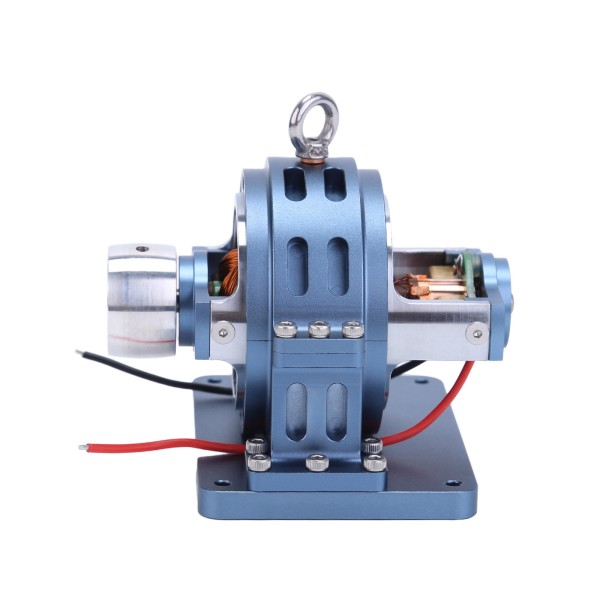
Choose this model when you want to study or operate a belt rotates the generator shaft to produce published 5-12V DC output; applying 12V DC allows the same unit to operate as a motor. It is best suited to experienced hobbyists adding a visible generator load to a compatible engine demonstration. The original white-background main image identifies the exact product architecture; the gallery shows additional angles, components and available configurations.
Verified Product Specifications
| Published output voltage | 5-12V DC |
|---|---|
| Published current | About 1A under unspecified test conditions |
| Connection | Belt drive |
| Material | Alloy |
| Color | Blue |
| Dimensions | 9 x 8 x 8cm |
| Published weight | 450g |
| Published age guidance | 14+ |
Why This Model Is Different
- Clear engineering focus: the layout makes a belt rotates the generator shaft to produce published 5-12V DC output; applying 12V DC allows the same unit to operate as a motor easier to observe than a generic closed display model.
- Configuration transparency: selectable versions are named explicitly and their price changes appear beside the option before checkout.
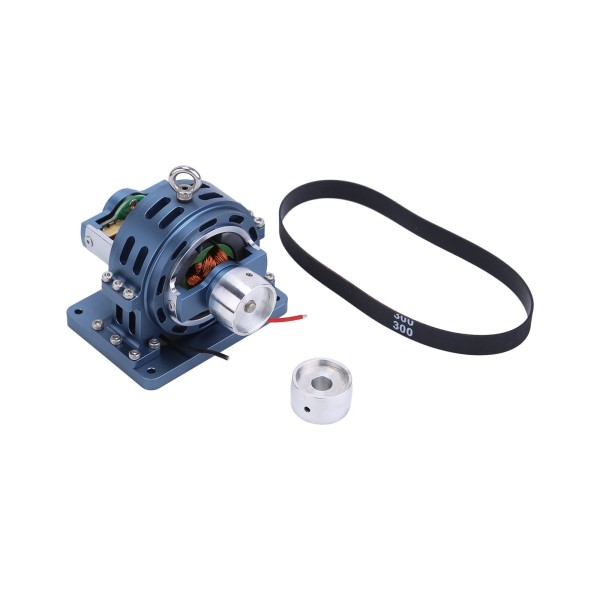
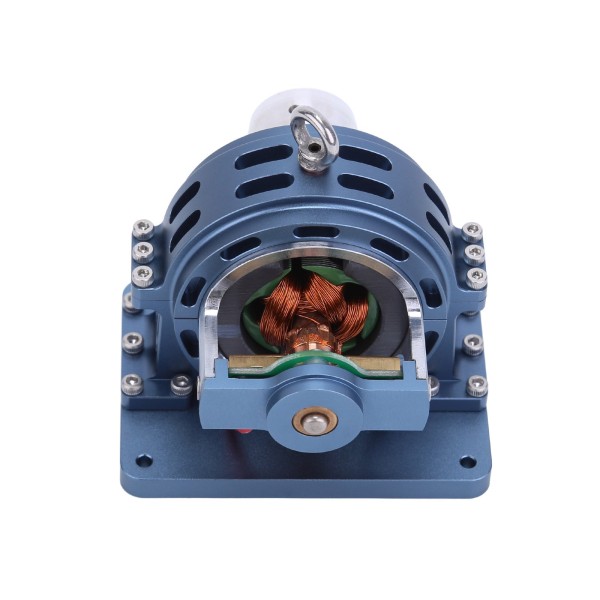
- Visual buying evidence: multiple gallery views help verify exterior finish, major components and supplied assembly state.
- Specialist fit: the product expands the collection into a distinct engine architecture rather than duplicating an existing listing.
How to Choose the Correct Version
- Confirm the selected option, assembly state, color or bundle before adding the item to the cart.
- Use the specification table and gallery to verify the power source, cooling method and visible accessories.
- For fuel, heat or live-steam products, confirm that you have the required operating experience, ventilation and safety equipment.
- For RC installation, measure the available envelope and verify the drivetrain, mounting, cooling and starting-system requirements.
Safety and Operating Guidance
This is specialist model equipment, not an unsupervised children's toy. Keep moving parts guarded from loose clothing and hair. Operate fuel or steam models only in a ventilated area on a stable, heat-resistant surface. Use eye protection, follow the supplied manual and never exceed the specified fuel, electrical or pressure requirements.
Frequently Asked Questions
Is this a real working engine?
The specification table states whether the item is a fuel engine, live-steam mechanism or powered mechanical simulation. A moving educational model should not be interpreted as a full-size propulsion engine.
Does the selected version change the price?
Where options are present, each value uses the corresponding product configuration price. Review the updated price and option label before checkout.
Are the exact accessories shown included?
Only the components described by the selected configuration are included. Lifestyle scenes and engineering diagrams explain use or structure and should not be treated as a packing list.
Who should buy this model?
It is intended for experienced hobbyists adding a visible generator load to a compatible engine demonstration. Beginners should start with an electric simulation; fuel and live-steam products require experienced adult operation.
Engineering Reference and Related Models
For independent background on the operating principle, see U.S. Department of Energy: How Does a Generator Work?. This reference explains general engineering principles and does not endorse or certify this product.
Continue comparing products in the related EnginesDIY collection: