


Ask a Question About This Product
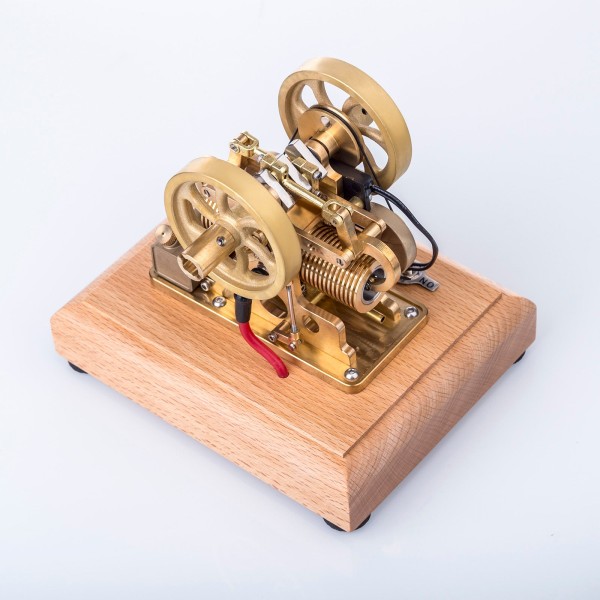
M14 1.9cc Atkinson Differential Opposed-Piston Engine Model is a visually open 1.9 cc model whose opposed-piston and differential linkage distinguishes it from conventional crank-and-rod four-stroke layouts. This page is written for buyers comparing M14 1.9cc Atkinson engine model, differential opposed piston engine model, miniature Atkinson cycle gasoline engine, brass four stroke mechanical engine model and related working mechanical models.
M14 1.9cc Atkinson Differential Opposed-Piston Engine Model: Quick Answer
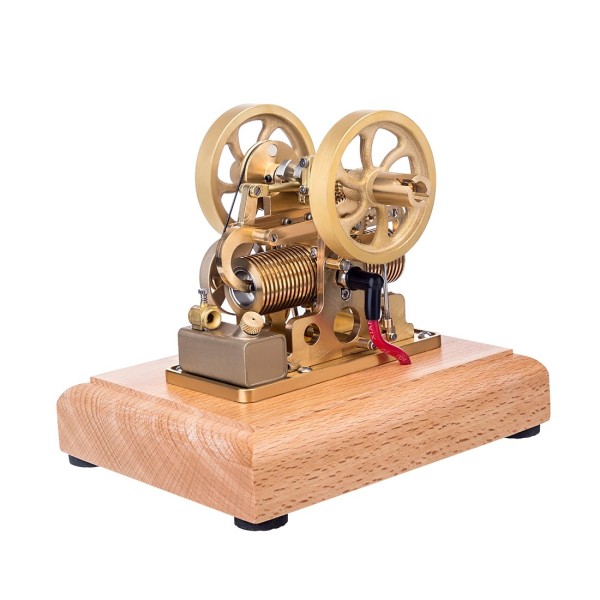
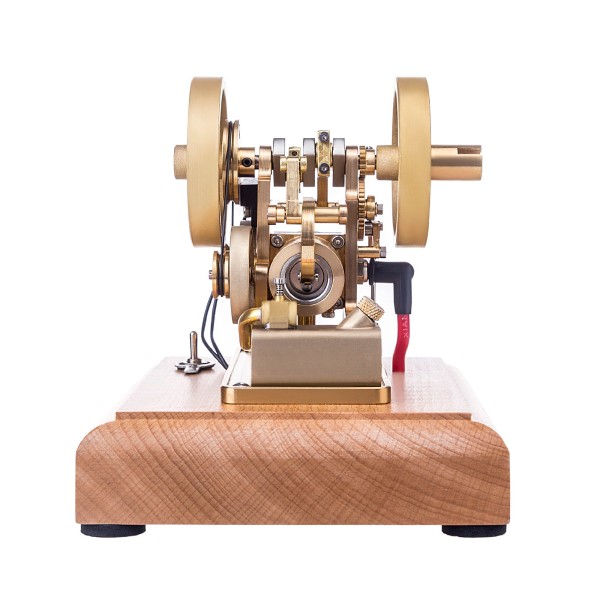
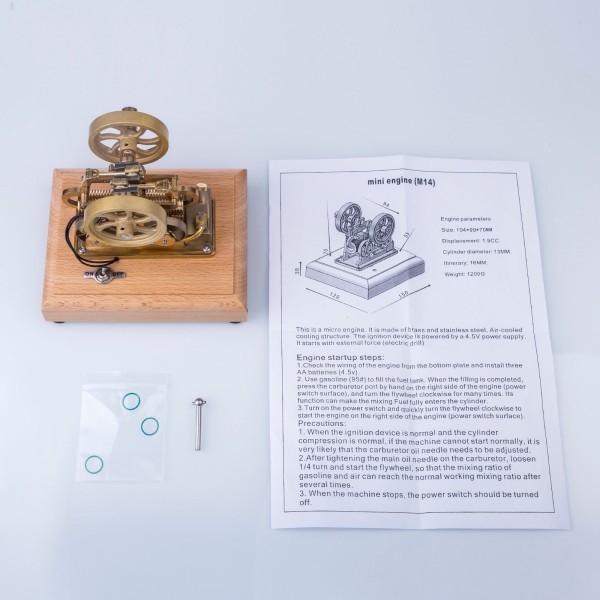
Choose this model when you want to study or operate opposed piston motion, differential linkage, flywheel inertia and a four-stroke gasoline operating cycle described by the supplier. It is best suited to adult mechanism collectors and engineering learners comparing Atkinson-inspired linkages with conventional Otto-cycle model engines. The white-background main image identifies the exact product architecture; the gallery shows additional angles, components and available configurations.
Verified Product Specifications
| Model | M14 |
|---|---|
| Engine type | Atkinson differential opposed-piston gasoline model |
| Displacement | 1.9 cc (supplier listing) |
| Cycle | Four-stroke (supplier listing) |
| Materials | Brass, stainless steel and wooden base |
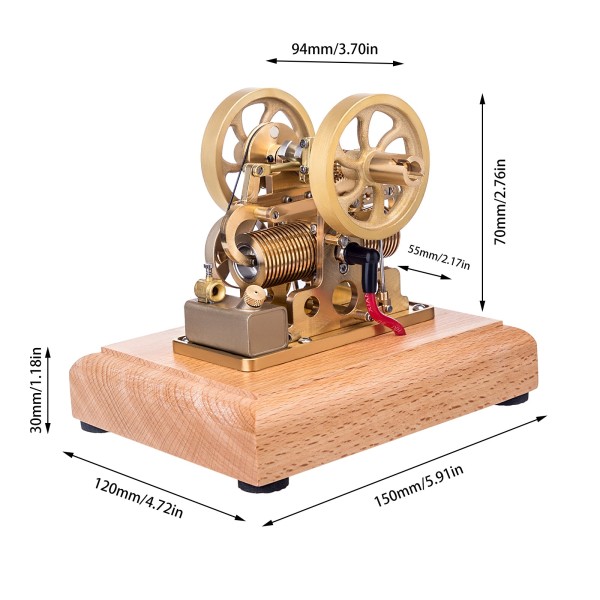
| Overall dimensions | 15 x 12 x 10 cm |
| Weight | Approximately 1200 g |
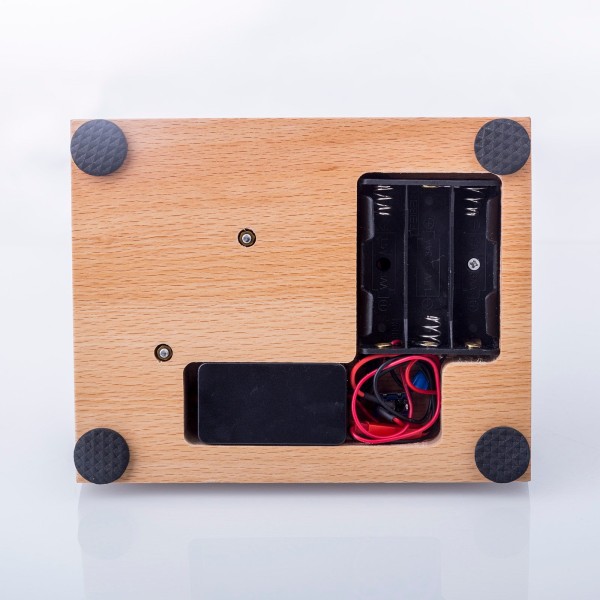
| Ignition power | 3 x AA batteries |
| Fuel guidance from supplier | 95-octane gasoline; use only the delivered manual's oil and starting procedure |
| Supplier age guidance | 14+; adult operation required |
Why This Model Is Different
- Clear engineering focus: the layout makes opposed piston motion, differential linkage, flywheel inertia and a four-stroke gasoline operating cycle described by the supplier easier to observe than a generic closed display model.
- Configuration transparency: selectable versions are named explicitly and their price changes appear beside the option before checkout.
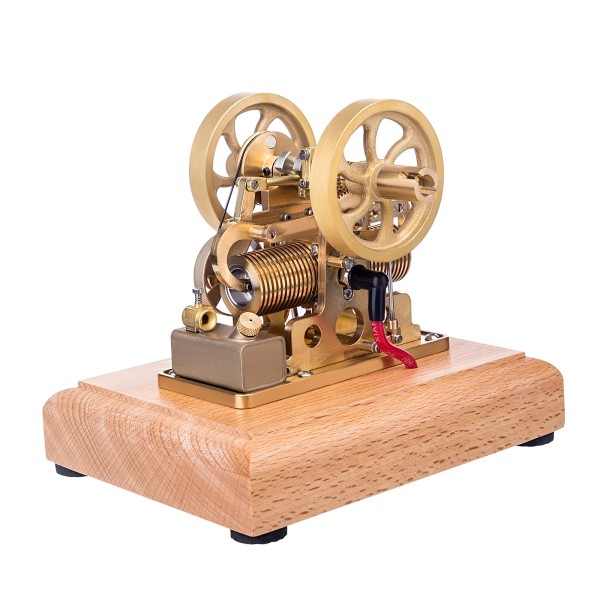
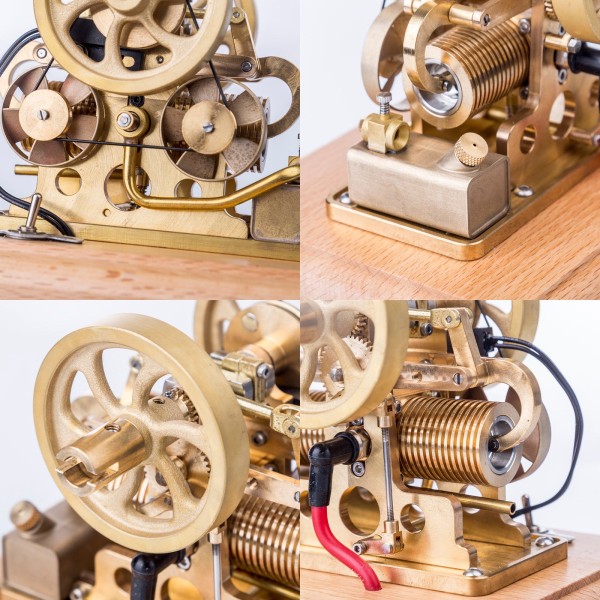
- Visual buying evidence: multiple gallery views help verify exterior finish, major components and supplied assembly state.
- Specialist fit: the product expands the collection into a distinct engine architecture rather than duplicating an existing listing.
Decision Framework: Fit Before Features
Evaluate this model in four passes: purpose (display, assembly study or operation), mechanism (what actually moves and how it is powered), operating burden (space, ventilation, charging, fuel and maintenance) and evidence (dimensions, gallery views and selected configuration). This prevents a visually similar model from being mistaken for the same mechanical system.
For comparison searches such as differential opposed piston engine model, miniature Atkinson cycle gasoline engine, brass four stroke mechanical engine model, prioritize the published mechanism and configuration over decorative styling. Scale, included electronics and power source can materially change the operating experience even when two products share a similar exterior.
How to Choose the Correct Version
- Confirm the selected option, assembly state, color or bundle before adding the item to the cart.
- Use the specification table and gallery to verify the power source, cooling method and visible accessories.
- For fuel, heat or live-steam products, confirm that you have the required operating experience, ventilation and safety equipment.
- For RC installation, measure the available envelope and verify the drivetrain, mounting, cooling and starting-system requirements.
Compatibility and Pre-Purchase Checklist
- Space: compare the published dimensions with the intended bench, hull, airframe, display case or driving area.
- Power: identify whether the selected version needs an external boiler, battery, charger, radio system, spindle tooling or other equipment not included in the package.
- Skill: match the product to your experience with assembly, calibration, fuel, live steam, CNC toolpaths or RC control.
- Evidence: treat supplier performance figures as configuration-dependent claims; use the gallery and manual to verify the delivered version before operation.
Safety and Operating Guidance
This is specialist model equipment, not an unsupervised children's toy. Keep moving parts guarded from loose clothing and hair. Operate fuel or steam models only in a ventilated area on a stable, heat-resistant surface. Use eye protection, follow the supplied manual and never exceed the specified fuel, electrical or pressure requirements.
Frequently Asked Questions
Is this a real working engine?
The specification table states whether the item is a fuel engine, live-steam mechanism or powered mechanical simulation. A moving educational model should not be interpreted as a full-size propulsion engine.
Does the selected version change the price?
Where options are present, each value uses the corresponding product configuration price. Review the updated price and option label before checkout.
Are the exact accessories shown included?
Only the components described by the selected configuration are included. Lifestyle scenes and engineering diagrams explain use or structure and should not be treated as a packing list.
Who should buy this model?
It is intended for adult mechanism collectors and engineering learners comparing Atkinson-inspired linkages with conventional Otto-cycle model engines. Beginners should start with an electric simulation; fuel and live-steam products require experienced adult operation.
Evidence Boundaries
Dimensions, materials, bundle contents and performance figures are attributed to the supplier listing unless the table states otherwise. The independent sources below explain general engineering, workshop or operating-safety principles; they do not certify, endorse or test this individual product. EnginesDIY does not convert a supplier statement into an independent laboratory result.
Independent Engineering and Safety References
The following sources support the general engineering or safety guidance on this page. They do not endorse, test or certify this specific product.
- U.S. Department of Energy: Internal Combustion Engine Basics — the intake, compression, power and exhaust events of a four-stroke spark-ignition engine.
- CDC/NIOSH: Carbon Monoxide — carbon-monoxide risk from gasoline engines and the need to operate them outdoors or with proper exhaust control.
- OSHA: Hazardous Motions and Actions — hazards created by rotating, reciprocating and in-running machine parts.
- NIOSH: About Occupational Hearing Loss — noise exposure can damage hearing and should be controlled at the source where possible.
- U.S. EPA: Gasoline Reid Vapor Pressure — gasoline volatility is managed because fuel vapors contribute to emissions and handling risk.
- SAE Technical Paper 950089: Otto-Atkinson Cycle Engine — engineering research context for Atkinson-cycle hardware and operating results.
Continue comparing products in the related EnginesDIY collection:
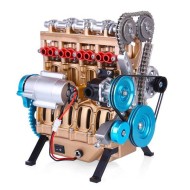
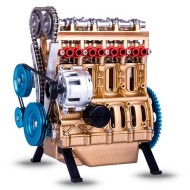
- Full Metal 4-Cylinder Engine Model Kit – DIY Working Assembly
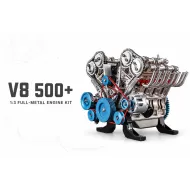
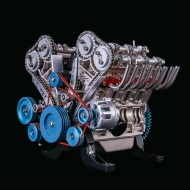
- TECHING 1:3 Full-Metal V8 Engine Model Kit 500+PCS
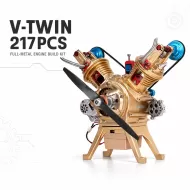
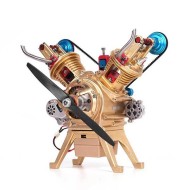
- Full-Metal V-Twin 2-Cylinder Engine Build Kit 217PCS
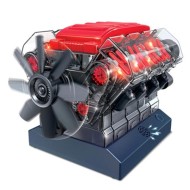
- V8 STEM Working Engine Model Building Kit
Product data review: August 2026. Pricing was benchmarked from the referenced public product configuration at publication time and reduced by 2%; availability and configuration are independently maintained by EnginesDIY.