

Ask a Question About This Product
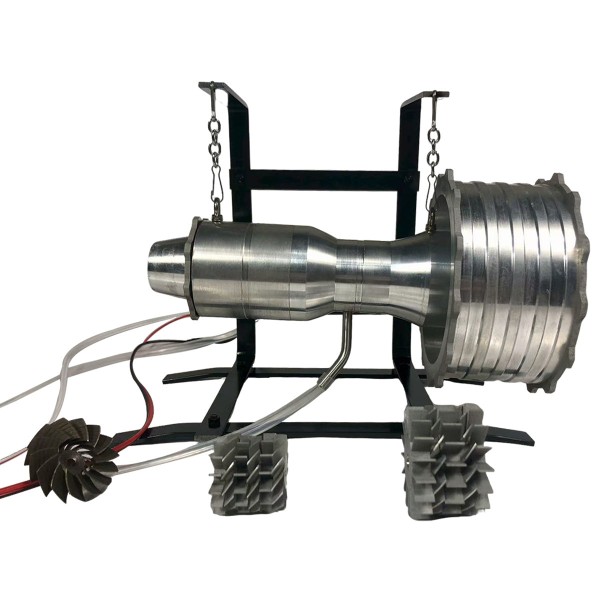
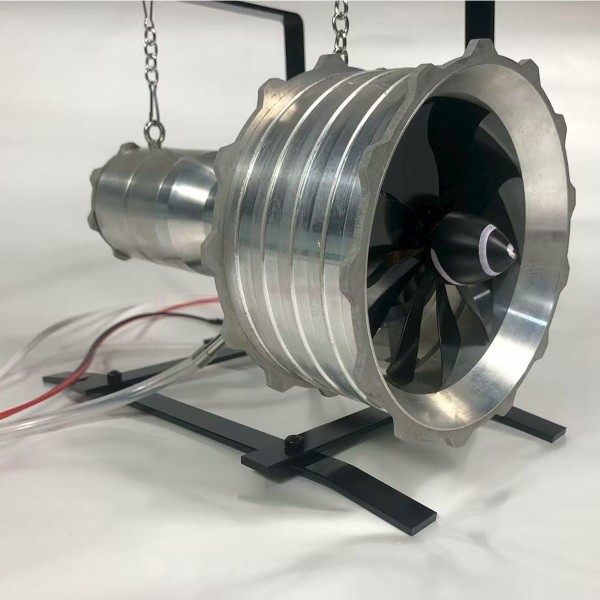
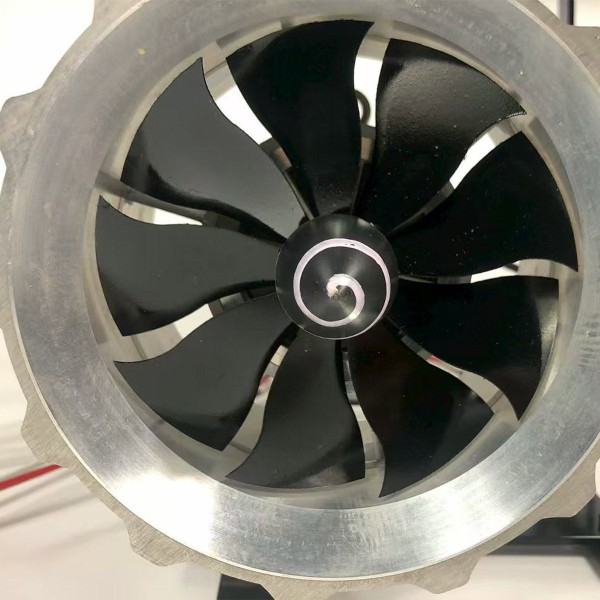
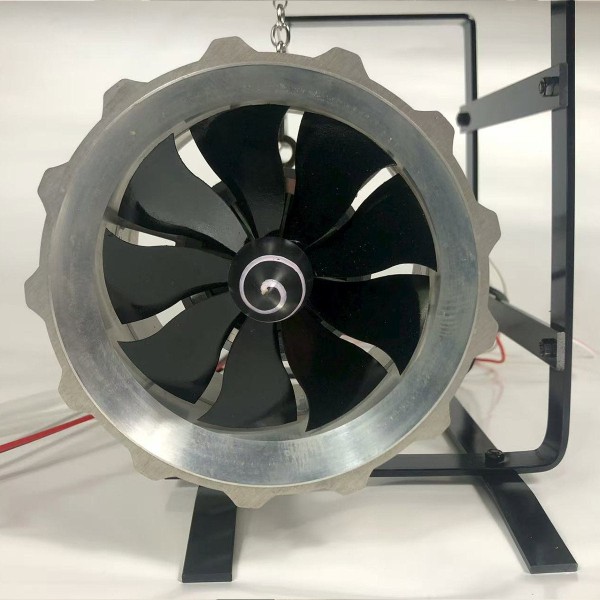
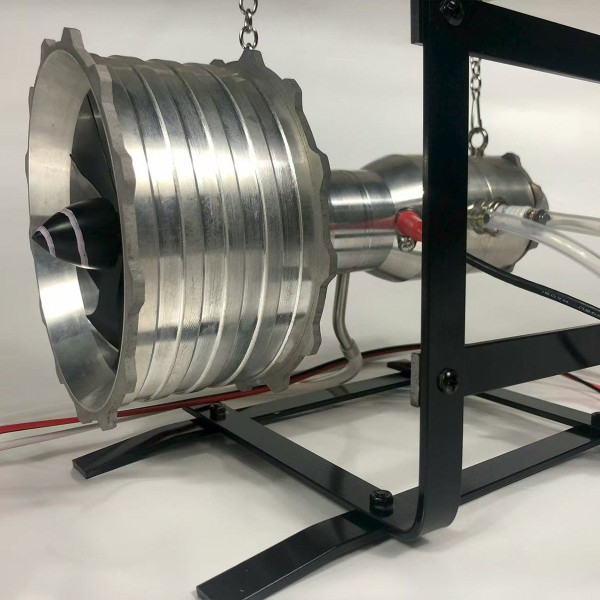
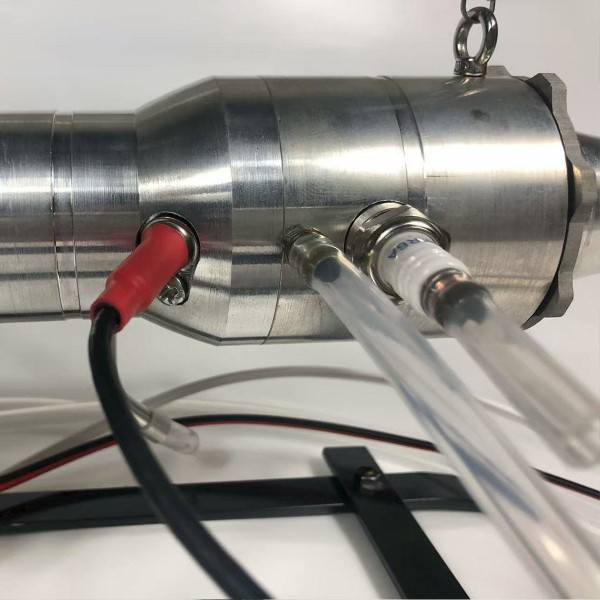
Liquid-Gas Combustion Turbofan Demonstration Model is a disassemblable metal turbofan demonstration with visible multi-stage compressor hardware, two combustion paths and a control box. This page is written for buyers comparing liquid gas turbofan engine model, removable maintainable turbofan model, combustion chamber jet engine demonstration, multi-stage compressor turbine model and related working mechanical models.
Liquid-Gas Combustion Turbofan Demonstration Model: Quick Answer
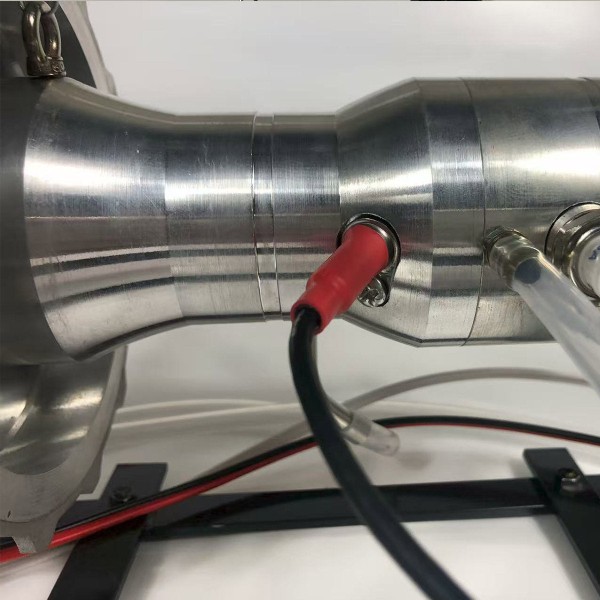
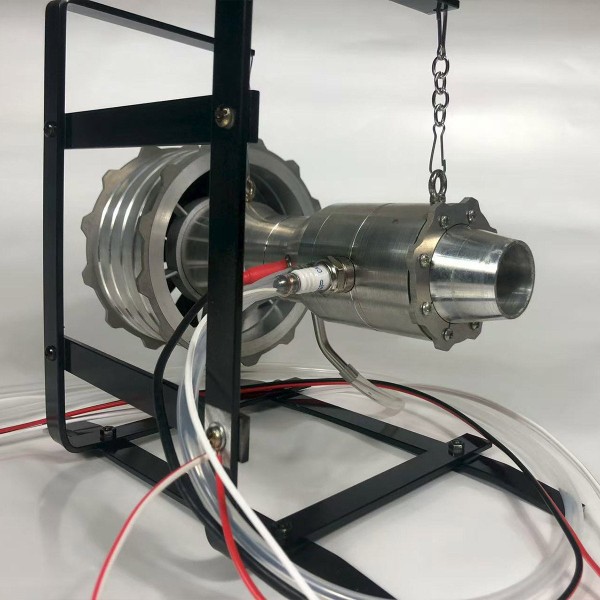
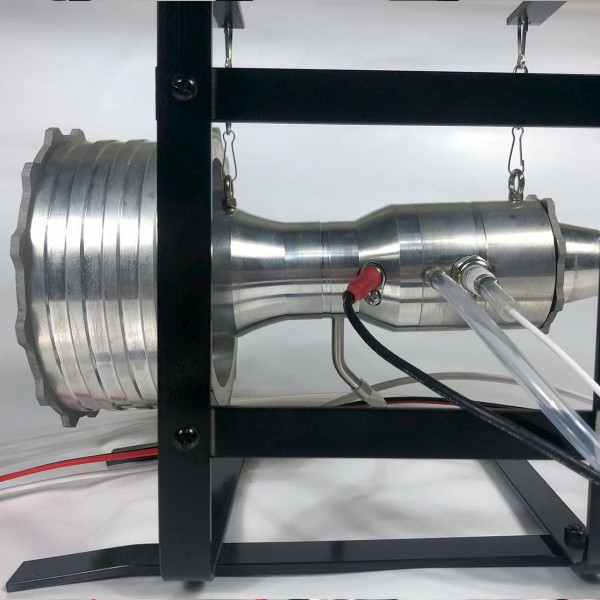
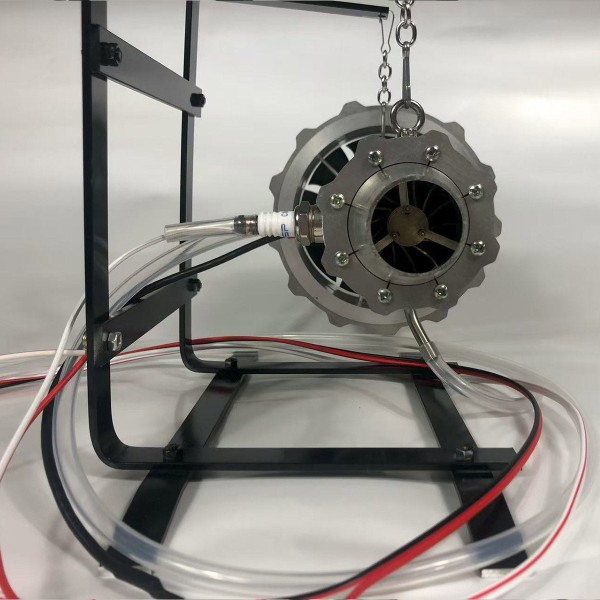
Choose this model when you want to study or operate multi-stage axial compression, externally supported fuel-air combustion, turbine rotation and intake-to-exhaust airflow. It is best suited to experienced adult aviation-model collectors and controlled engineering demonstrations with suitable fuel and fire precautions. The original white-background main image identifies the exact product architecture; the gallery shows additional angles, components and available configurations.
Verified Product Specifications
| Product type | Disassemblable combustion turbofan demonstration model |
|---|---|
| Fuel specified by source | Cassette-stove liquefied gas |
| Main material | Aluminum alloy |
| Maximum diameter | 130mm |
| Length | 240mm |
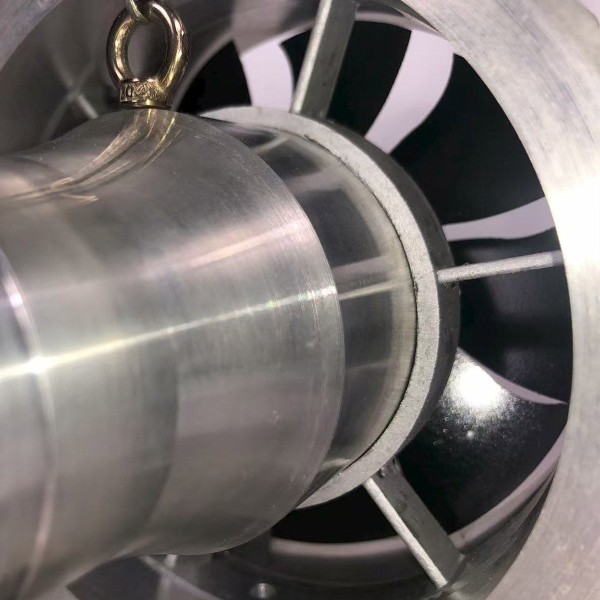
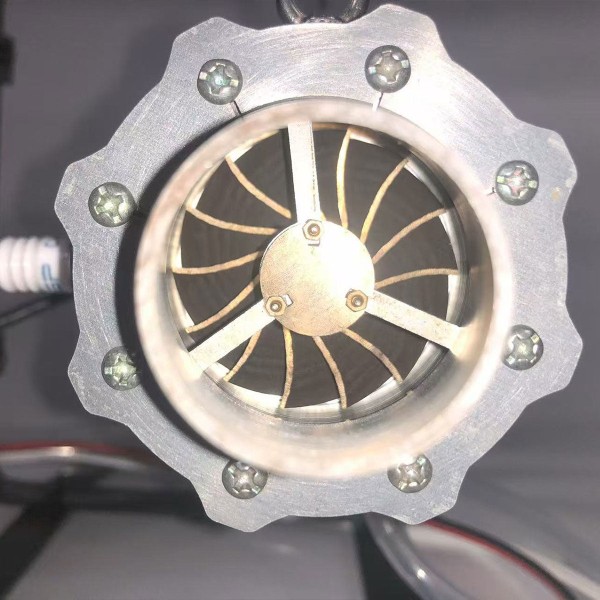
| Low-pressure compressor | Two 47mm impellers and two stator stages; 17 blades each |
| High-pressure compressor | Three 35mm impellers and three stator stages; 14 blades each |
| Power turbine | Single stainless-steel 14-blade impeller |
| Product size | 24 x 12 x 18cm |
| Product weight | 2000g |
| Buyer supplies | 10 AA batteries and specified cassette-stove fuel |
| Published age guidance | 14+; experienced adult supervision required |
Why This Model Is Different
- Clear engineering focus: the layout makes multi-stage axial compression, externally supported fuel-air combustion, turbine rotation and intake-to-exhaust airflow easier to observe than a generic closed display model.
- Configuration transparency: selectable versions are named explicitly and their price changes appear beside the option before checkout.
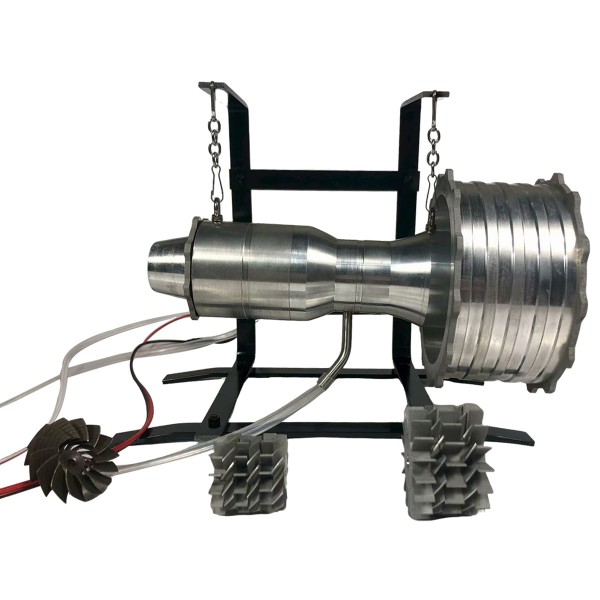
- Visual buying evidence: multiple gallery views help verify exterior finish, major components and supplied assembly state.
- Specialist fit: the product expands the collection into a distinct engine architecture rather than duplicating an existing listing.
How to Choose the Correct Version
- Confirm the selected option, assembly state, color or bundle before adding the item to the cart.
- Use the specification table and gallery to verify the power source, cooling method and visible accessories.
- For fuel, heat or live-steam products, confirm that you have the required operating experience, ventilation and safety equipment.
- For RC installation, measure the available envelope and verify the drivetrain, mounting, cooling and starting-system requirements.
Safety and Operating Guidance
This is specialist model equipment, not an unsupervised children's toy. Keep moving parts guarded from loose clothing and hair. Operate fuel or steam models only in a ventilated area on a stable, heat-resistant surface. Use eye protection, follow the supplied manual and never exceed the specified fuel, electrical or pressure requirements.
Frequently Asked Questions
Is this a real working engine?
The specification table states whether the item is a fuel engine, live-steam mechanism or powered mechanical simulation. A moving educational model should not be interpreted as a full-size propulsion engine.
Does the selected version change the price?
Where options are present, each value uses the corresponding product configuration price. Review the updated price and option label before checkout.
Are the exact accessories shown included?
Only the components described by the selected configuration are included. Lifestyle scenes and engineering diagrams explain use or structure and should not be treated as a packing list.
Who should buy this model?
It is intended for experienced adult aviation-model collectors and controlled engineering demonstrations with suitable fuel and fire precautions. Beginners should start with an electric simulation; fuel and live-steam products require experienced adult operation.
Engineering Reference and Related Models
Quick Answer: Who is the Liquid-Gas Combustion Turbofan Demonstration Model for?
Short answer: The combustion turbofan demonstration model is best suited to experienced demonstrators who can verify the stated fuel, ignition, ventilation and operating procedure. It is not intended for indoor, unsupervised or casual operation without the specified fuel and safety controls. Make the final decision from the selected option, specifications and gallery rather than the product name alone.
Decision summary
| Decision factor | Why it matters | Verify on this page |
|---|---|---|
| Architecture | Similar products can differ in mechanism, scale and visible components. | Title, specifications and gallery |
| Assembly and support | The pictured product may require tools, heat, fuel, power or fittings that are separate. | Options and included-parts information |
| Operating scope | A display model, powered demonstration and working engine have different requirements. | Published operating method and safety notes |
Before you order
- Confirm the specified fuel, ignition system, starting procedure and ventilation requirements.
- Verify operating boundaries, included controls and whether compressed air or other support equipment is required.
- Treat the product as an adult-supervised demonstration, never as flight hardware or indoor decor while operating.
Known facts, reasonable inferences and unknowns
The product identity and configuration above are based on the published title, specifications, selectable options and gallery. The mechanism category helps explain what the model is designed to demonstrate, but it does not prove product-specific output. Performance, runtime, efficiency, fuel consumption, durability and compatibility remain unknown unless explicitly stated on this page.
Compare the product family and check the engineering context
Use the relevant EnginesDIY collection to compare architecture, assembly format and current availability. For independent background, consult NASA Glenn’s turbofan-engine overview. The reference explains the fan, compressor, combustor and turbine relationship in real turbofan engines; a scale kit may simplify or omit functional stages.
Safety and scope
This is a scale hobby or educational product, not full-size propulsion, industrial power equipment or certified laboratory apparatus. Follow the supplied operating method, use adult supervision and keep loose clothing, hands and combustible materials away from hot, fueled and moving components.
Content reviewed: 28 July 2026. Undocumented product claims were intentionally excluded.